
A guide to the material behind the bag
Full-grain leather is leather whose natural grain surface has been kept intact rather than sanded away to create a more uniform appearance. You may see natural variations in its surface, and it can develop character with use. But the words full grain describe one aspect of the leather; they do not, by themselves, tell you everything about how it was tanned, finished, sourced or made into a bag.
That distinction matters. A material’s name can be a useful starting point, but understanding how it looks, feels and will be cared for helps you decide whether it is right for the object you want to live with.
What does “full-grain leather” mean?
Leather has a natural grain surface. In full-grain leather, that surface has not been sanded or buffed to remove its natural markings. Depending on the hide and finish, you may see small differences in texture, tone or surface detail.
These variations are part of the material’s character. They are not, on their own, proof of superior quality. The leather still needs to be assessed for its consistency, finish and suitability for its intended use.
Full grain and corrected grain: what is the difference?
Corrected-grain leather has had some of its surface altered, often through sanding or buffing, and may be embossed or finished to create a more even appearance. Full-grain leather retains its original grain surface.
Neither description tells you how thick or soft a particular leather will feel, or how it will behave in daily use. Finishing, tanning, construction and the design of the bag also influence the result.
Is full-grain leather always the best choice for a bag?
Not automatically. Full grain describes the leather’s surface, not a complete measure of quality. A well-made bag depends on several things working together: the leather’s suitability for the design, thoughtful construction, careful finishing and the skill of the people who make it.
The right material depends on the object. A structured bag and a soft, flexible one place different demands on leather. A uniform finish may also suit a design better than one that shows more natural variation.
When looking at a leather bag, consider the whole piece:
- How does it hold its shape?
- Are the edges and seams carefully finished?
- Does the material feel appropriate to the design?
- Is clear information about the leather and how to care for it is also useful.
What is patina, and does full-grain leather develop it?
Patina is the change in a material’s appearance through use and exposure over time. Some full-grain leathers develop visible changes in tone or sheen, but the effect depends on the leather’s finish, colour, use and care. It is not a guaranteed transformation, and not every leather will age in the same way.
For some owners, these changes become part of the bag’s story. Others may prefer a finish that keeps a more consistent appearance. Knowing what to expect makes it easier to choose a bag you will enjoy carrying.
Full grain is not the same as vegetable-tanned leather
These terms describe different things. Full grain refers to whether the natural grain surface has been retained. Vegetable tanned describes a tanning method. One term does not automatically imply the other.
Some of Ownever’s bags, for example, are made with vegetable-tanned leather. That tells you about the materials and tanning method used for that design; it is a separate detail from a full-grain classification. Material descriptions are most useful when they are specific to the piece in question.
How should you care for a full-grain leather bag?
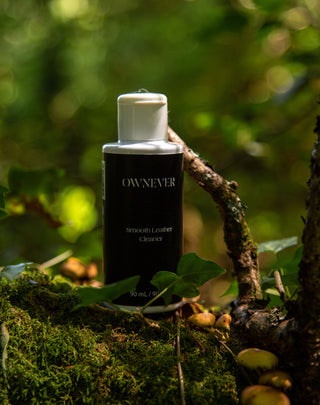
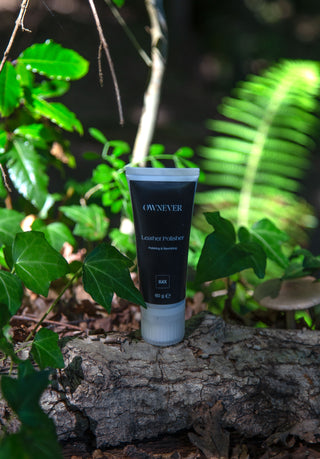
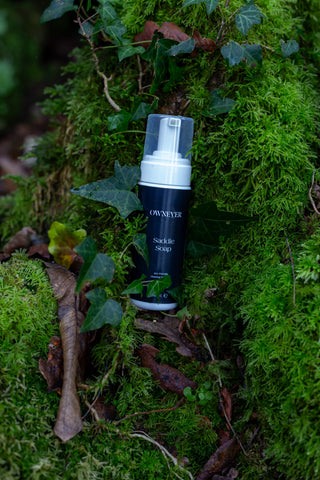
Care depends on the leather’s finish and the maker’s instructions. As a simple first step, remove light dust with a soft, dry cloth. Avoid applying household products or a new conditioner without checking that it is suitable for the leather: treatments can change its colour or finish.
If your bag gets wet, let it dry naturally, away from direct heat. For marks or deeper cleaning, consult a leather-care professional who can assess the material before treating it. Careful maintenance can help preserve a bag, while repair can give a well-loved piece more time in use. If your bag needs repair, please contact our Bag Repair Services.
What to ask before buying a full-grain leather bag
A useful description should help you understand the specific bag, not rely on a label alone. Consider asking:
- What type of leather is used, and what finish does it have?
- How might the material change with use?
- What care does the maker recommend?
- Can the bag be repaired if it needs attention later?
The answers give you a clearer picture of what you are choosing and how to look after it.
A material is only one part of the story
Leather has its own qualities, but the meaning of a bag also comes from its design, construction and the hands that make it. At Ownever, the stories behind our pieces are closely connected to Portuguese craft and to the people who keep specialist skills alive.
A material label can tell you something important, it cannot tell you everything. The most considered choice is one where the material, the making and the life you expect to give the bag all make sense together.
Frequently asked questions
Is full-grain leather real leather?
Yes. Full grain is a category of leather that retains its natural grain surface. The term describes the surface, not the tanning method or the country of origin.
Does full-grain leather scratch easily?
It can show marks, depending on the leather’s finish and how the bag is used. Some owners welcome these changes; others may prefer a more protected or uniform finish. Follow the care guidance for the specific bag.
Does full-grain leather mean the bag will last forever?
No material or construction can guarantee that. Longevity depends on the leather, how the bag is made, how often it is used and how it is cared for. Repair options are also worth considering when choosing a piece intended to be kept.
Is full-grain leather the same as vegetable-tanned leather?
No. Full grain describes the condition of the leather’s surface. Vegetable tanning describes a method used to tan leather.
Can every leather bag be treated with the same care products?
No. Different leathers and finishes may respond differently to cleaners and conditioners. Use the maker’s care instructions and check that a product is suitable before applying it.